Showing posts with label George Mantzarides. Show all posts

The Transfiguration of the Saviour

Professor Georgios I. Mantzaridis

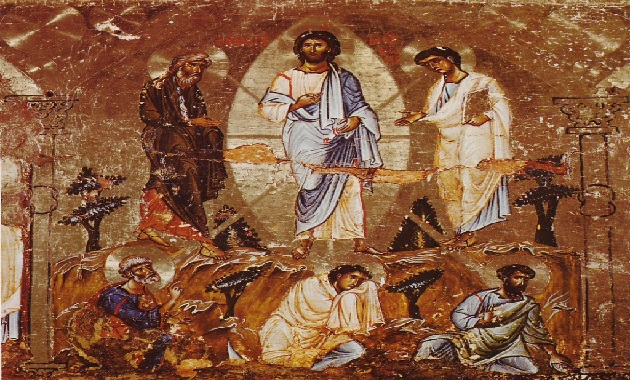
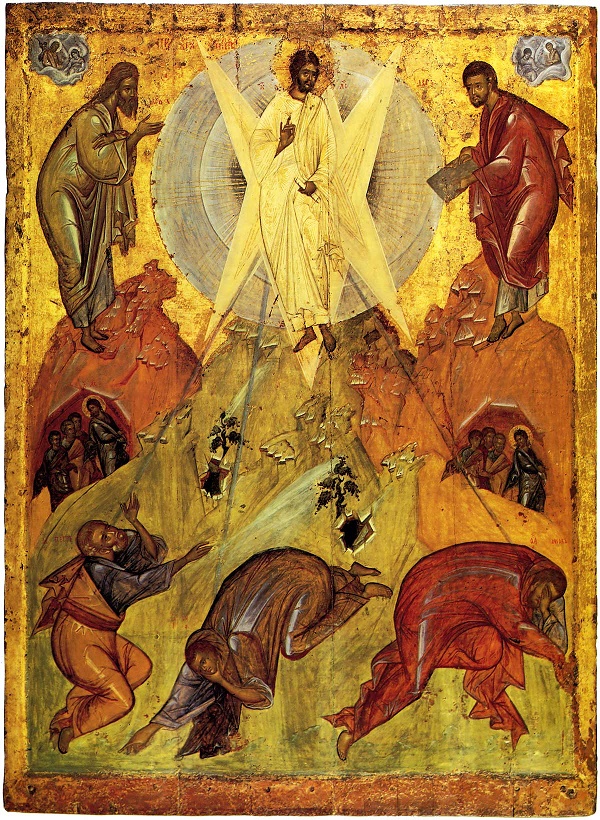
The Transfiguration of the Saviour occupies a central position in the Orthodox Church and theology. It is the event that reveals the glory of the Church and of the faithful. It is the evidence of the new situation that entered history through the advent of Christ.

At the Transfiguration, Christ manifested through His human nature the uncreated glory of His Divinity. At the same time, He caught up the men with Him in the uncreated divine glory.

Moses and Elijah share the same brightness as the Lord. The only difference is that Christ is the source, whereas they are the recipients of divine brightness. The reason why Christ was transfigured before his disciples was the approach of the day when he would be crucified: “So that when they see you crucified, they will understand your voluntary passion”.

Moses and the Vision of God

Professor Georgios I. Mantzaridis

The vision of God is presented in the Holy Scriptures in two different forms which appear to be mutually exclusive. Some passages characterize the vision of God as an impossibility. In the book of Exodus, for example, God tells Moses: “You cannot see My face; for no man can see My face and live,”[1] while the psalmist notes that God “made darkness His hiding place.”[2] In the New Testament, the Apostle and Evangelist John writes: “No one has ever seen God”[3], And the Apostle Paul adds that God is He “whom no one has ever seen or can see”[4].

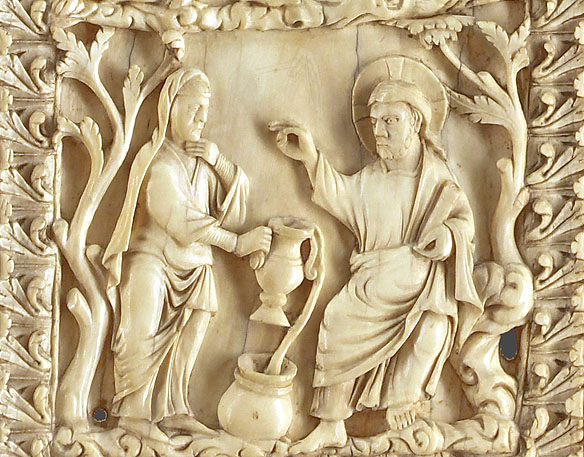
Meeting with the Samaritan Woman

Professor of Theology at the University of Thessaloniki Georgios I. Mantzaridis

Any encounter with Christ astonishes people. If you’re not astonished, you should ask yourself whether you actually encountered Christ, if you really felt His presence. This astonishment isn’t inexplicable, nor absurd, but rather it’s understandable and rational. It’s something that occurs when the natural meets the supernatural, the relative meets the absolute and the transitory meets the eternal.

The Transfiguration of the Saviour

Professor of Theology at the University of Thessaloniki Georgios I. Mantzaridis
The Transfiguration of the Saviour occupies a central position in the Orthodox Church and theology. It is the event that reveals the glory of the Church and of the faithful. It is the evidence of the new situation that entered history through the advent of Christ.

Moses and the Vision of God


Professor of Theology at the University of Thessaloniki Georgios I. Mantzaridis


The vision of God is presented in the Holy Scriptures in two different forms which appear to be mutually exclusive. Some passages characterize the vision of God as an impossibility. In the book of Exodus, for example, God tells Moses: “You cannot see My face; for no man can see My face and live,”[1] while the psalmist notes that God “made darkness His hiding place.”[2] In the New Testament, the Apostle and Evangelist John writes: “No one has ever seen God”[3], And the Apostle Paul adds that God is He “whom no one has ever seen or can see”[4].

Church and Time

  Professor of Theology at the University of Thessaloniki Georgios I. Mantzaridis

Today is New Year’s Day for the Church (1st day of Indictos), so we publish an article of Emeritus Prof. G. Mantzarides on the role of time on christian spirituality.

CHURCH AND TIME

The coming of Christ brought the kingdom of God into the world, and the place where the kingdom of God is made mani­fest is the Church. It is the Church that introduces eternity into history and offers history the perspective of eternity. The Church is the Body of Christ, which transcends place and time and joins mankind to a communion that is beyond time, a transcendent communion where all things are present in the Holy Spirit. In the Church, time and the whole cosmos are redeemed. Whatever God has offered to the world is to be found in the Church and passed on to man for his salvation and regeneration.

Transfiguration and the Cross


By George Mantzarides

Professor at the School of Theology, University of Thessaloniki

Are you aware that counting 40 days from today, on the 40th day we celebrate the Exaltation of the Holy Cross? It’s not a mistake.

The Transfiguration of Our Savior has a central place in the Orthodox Church and in Orthodox theology.

It is the event that reveals the glory of the Church and of the faithful. It is a witness to the new reality introduced by the coming of Christ in history.


During His Transfiguration, Christ revealed the Uncreated Glory of His Divinity within His human nature. At the same time, He took up those surrounding Him into His Uncreated Divine Glory. Moses and Elias participated in the same radiance as Christ. The only difference is that Christ is the Source of Divine radiance, whereas the others are recipients thereof.